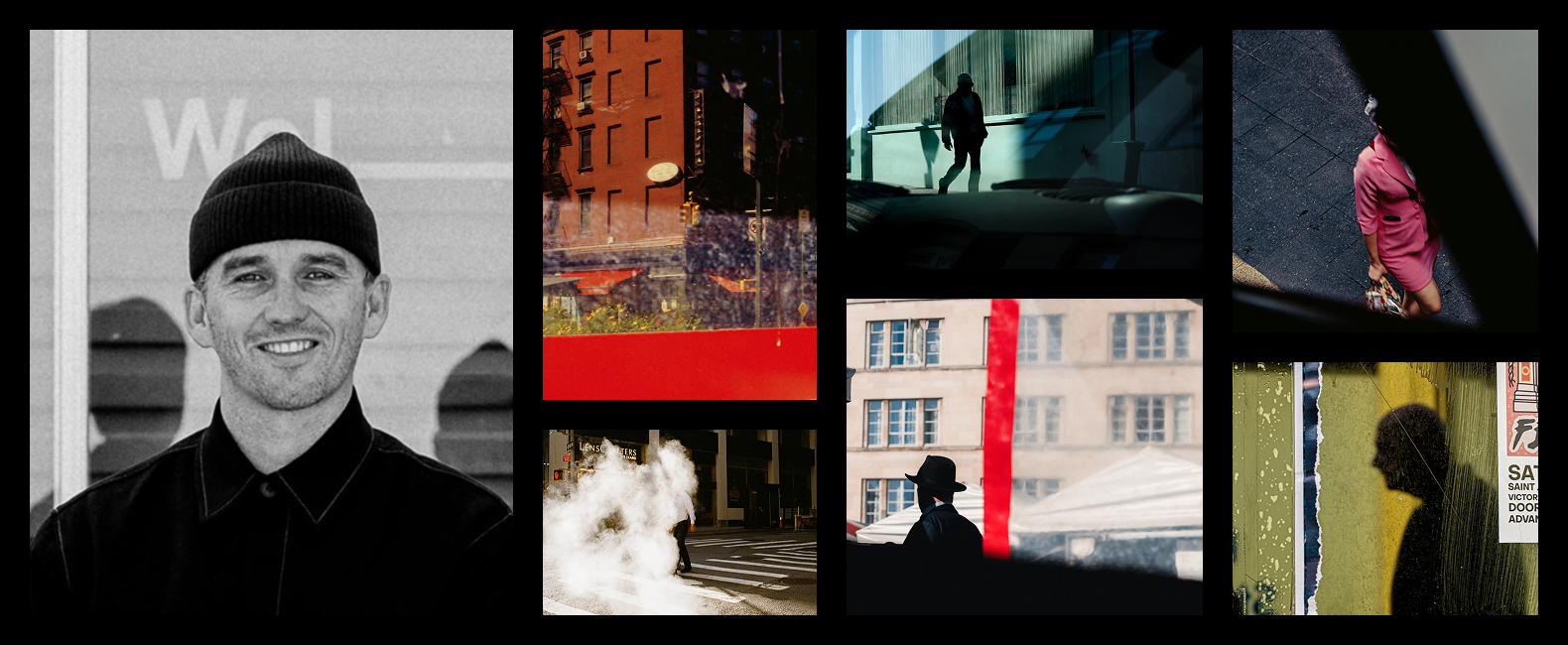
As advertising becomes faster, more fragmented, and increasingly shaped by data, the challenge remains the same: make work that feels fresh, distinctive, and true to the people it’s trying to reach.
Jay Woods built Agency Next Door (A.N.D) around that idea. Jay shared his thoughts with us on building a modern agency model, resisting category consensus, developing visual taste, and why the most relevant ideas often come from looking beyond trends themselves.
RELATED READS: The Design Trend Report | 2026
STILLS: Tell us about how you got started in the creative industry and how A.N.D came to be.
Jay Woods: My path into this industry wasn’t a straight line into an agency. I started with freelance, working across creative for a run of genuinely amazing agencies: Stab, M&C Saatchi, and Monster Children.
Before that, I was doing brand creative for Hurley at the Australian Open of Surfing via IMG, which is where I first got a taste for building out full brand worlds rather than just single executions — advertising, media, PR, athlete, and product exposure all working as one story.
Agency Next Door (A.N.D) came out of that freelance run. It wasn’t built as a reaction against agency life, but more as a distillation of it: take the parts that actually move a brand (strategy, craft, culture) and cut the parts that don’t.
Kieran Burke’s joining wasn’t incidental either. We’d worked together for years while he was at Monster Children Creative, and there was a shared instinct there long before there was a shared business.
The partnership with PeriscoPe rounded that out, giving us a front-row seat to the performance and data side of the industry so the creative we make isn’t operating in a vacuum.
Advertising has changed quite a bit over the past few years. How have you had to adapt to the new advertising landscape? What have been some of the most challenging aspects?
A.N.D’s model is the adaptation, or our answer, to the changing landscape. Pairing creativity with a data capability is the shift we made away from campaigns created in isolation. Art on one side, data on the other, and nirvana in the middle.
For us, the challenge is less “how do we make something good?” and more “how do we make something good that also has to work across 15 formats, get read by an algorithm (sometimes), and still feel like it came from a human?”
RELATED READS: Why BBDO’s Matthew Low Believes Simplicity Makes Big Ideas Stick
Talk to us about a recent project you’re especially proud of. What made that project feel successful to you?
Taylors Wines is the one front of mind. A competitive pitch to lead a new global brand platform and creative positioning.
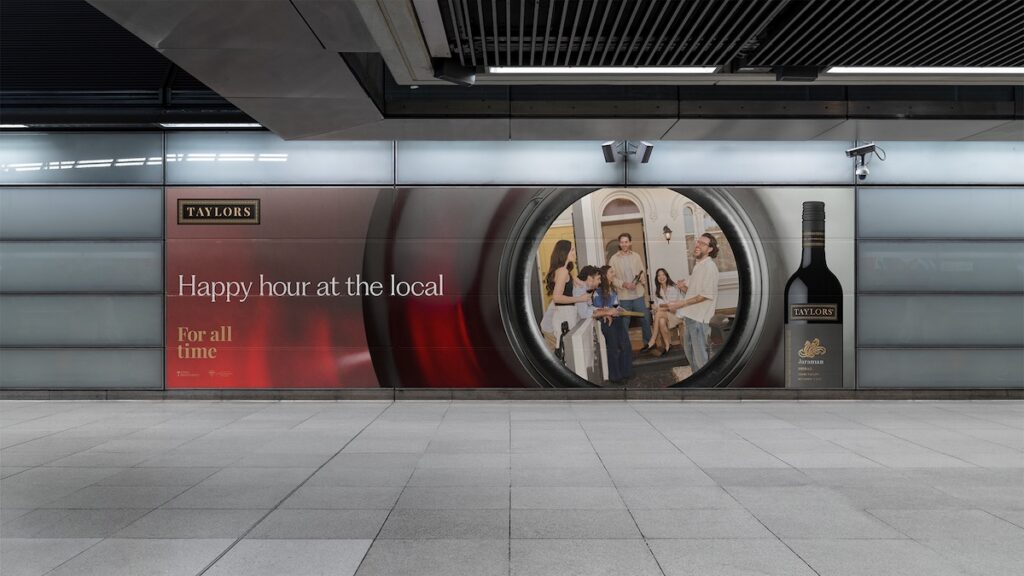
What makes it feel successful isn’t the pitch win itself, but watching a client with 50+ years of equity be willing to be brave with us, while we translate “contemporary heritage” from a strategy slide into something you can actually see on an advert, in a frame or in motion.
RELATED READS: Beyond Aesthetics: How Joe Diver Balances Vision with Brand Legacy
How do you stay creatively fresh? What do you draw upon to generate new ideas?
A lot of it starts with looking at everything everyone else is doing and then doing the opposite. There’s real value in mapping the category consensus. Because once you can see the whole herd moving in one direction, the interesting work is (almost) always found by going away from it.
The rest is less about input and more about making space. I get off the computer and into a book; there’s something clarifying about slowing down and thinking without an algorithm deciding what comes next.
And yeah, it sounds a bit cliché, but I run or exercise. Nothing solves a creative cluster like putting your headphones in and getting out the door.

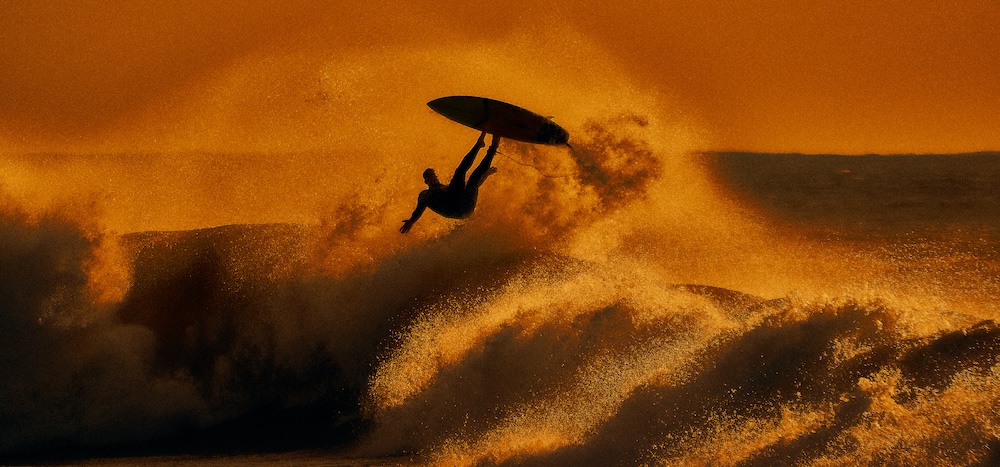
Then, when it’s time to actually build, I lean hard on the tools we’ve got (Stills, for example). But use them properly — not just as mood-board wallpaper but as real research engines for pulling a concept apart and putting it back together.
RELATED READS: Wieden+Kennedy CD Nik Reed on the Chemistry of Creativity
What advice would you give to younger creatives trying to develop better visual taste?
For me, taste isn’t just looking at more work, though that is, of course, helpful. It’s understanding why something works, down to the psychology of it. Then, looking at the anatomy of an image, a brand, a website, etc., and slowing down to itemize the ingredients.
A.N.D talks about connecting culture, creativity, and technology. What does that look like in practice? And how do you keep work culturally aware without chasing trends?
That line “connecting culture, creativity & technology to help brands grow” for us isn’t just a strapline. It’s genuinely the operating model. Culture mapping is one of our named services, not an afterthought bolted onto a creative brief.
In practice, it means the strategy work starts by asking where a brand actually sits in culture right now, not where the client assumes it sits. On the technology side, largely through our relationship with PeriscoPe, we’re testing that cultural read against real data rather than gut feel alone.
That said, sometimes the gut overwrites the data.
RELATED READS: Case Study: How &Walsh Used Stills to Launch “Type of Feeling”
We see trendjacking reactive, fact. By the time you’ve spotted it, it’s already mid-cycle. Being culturally aware is closer to paying attention to what’s underneath the trend: the actual shift in behavior or belief that produced it.
It’s a slower, much less flattering process than trend-spotting. But it’s the only version that still looks right in eighteen months or longer.
How do you ensure that your creative concepts stay aligned with the strategic goals of a project or brand?
For us, strategy isn’t a phase that happens before the “real” creative work starts. It’s the crux that the creative has to answer. Every concept should make someone think, feel, or do.
-4.gif)
We pressure-test against the same question: does this make the brand more distinctive, or does it just make it more decorated? Those are very different outcomes, and it’s easy to mistake one for the other if you fall in love with an idea too early.
Practically speaking, that means strategy and creativity aren’t handed off sequentially between departments; rather, they’re developed in the room together, so a concept never gets far enough down the runway to be beautiful and off-strategy at the same time.
RELATED READS: Award-Winning CD David Stevanov on Building Great Campaigns
What do you like about Stills? Why would you recommend it as a resource for other creatives and creative teams?
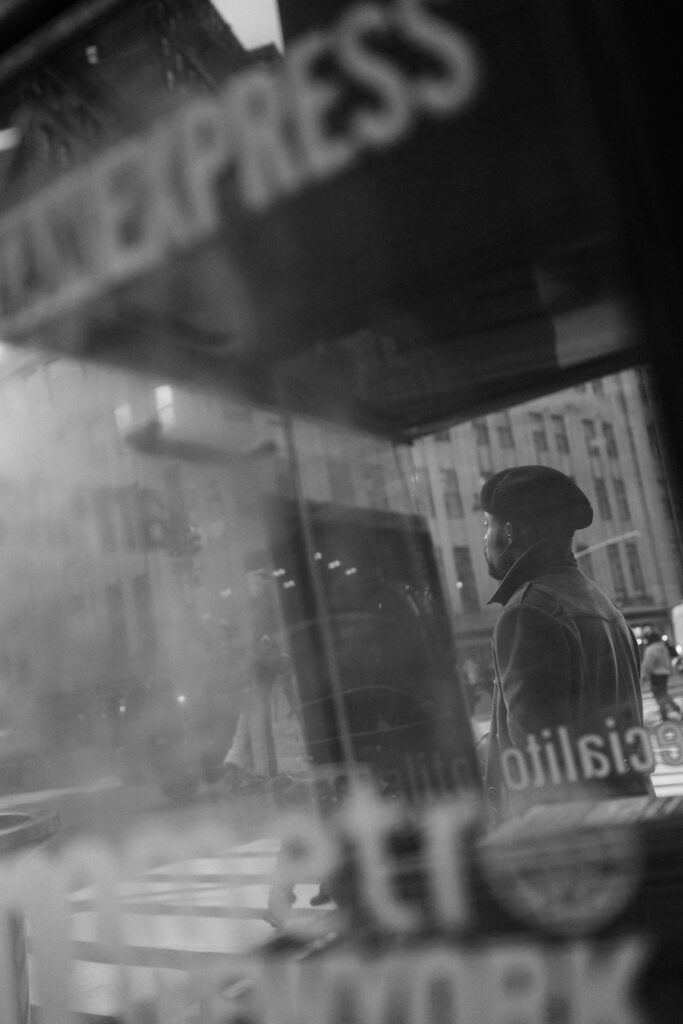
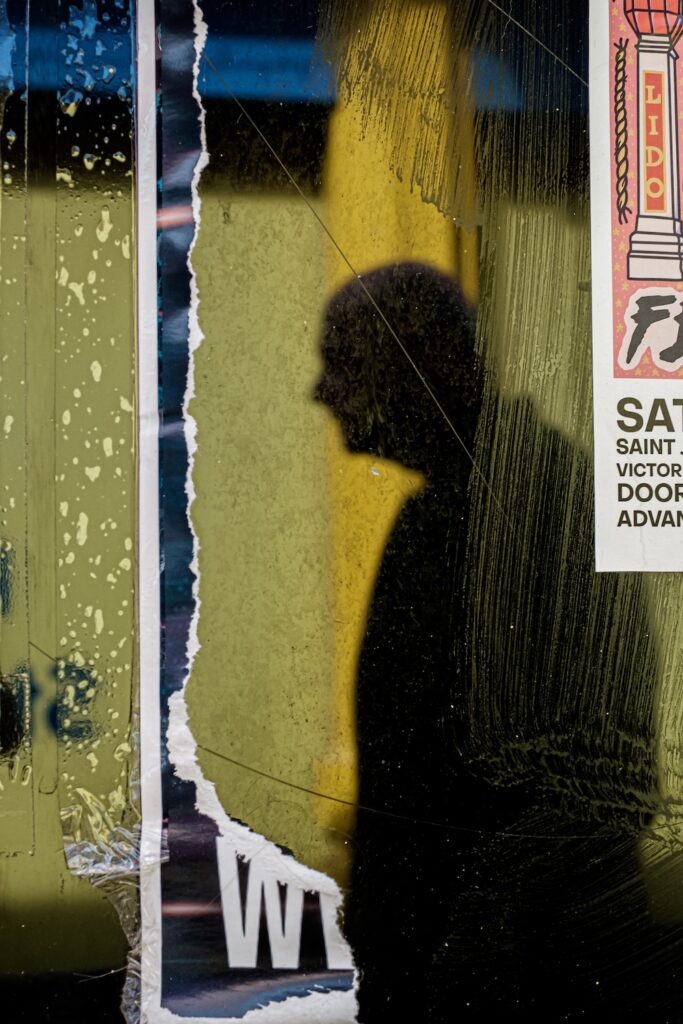
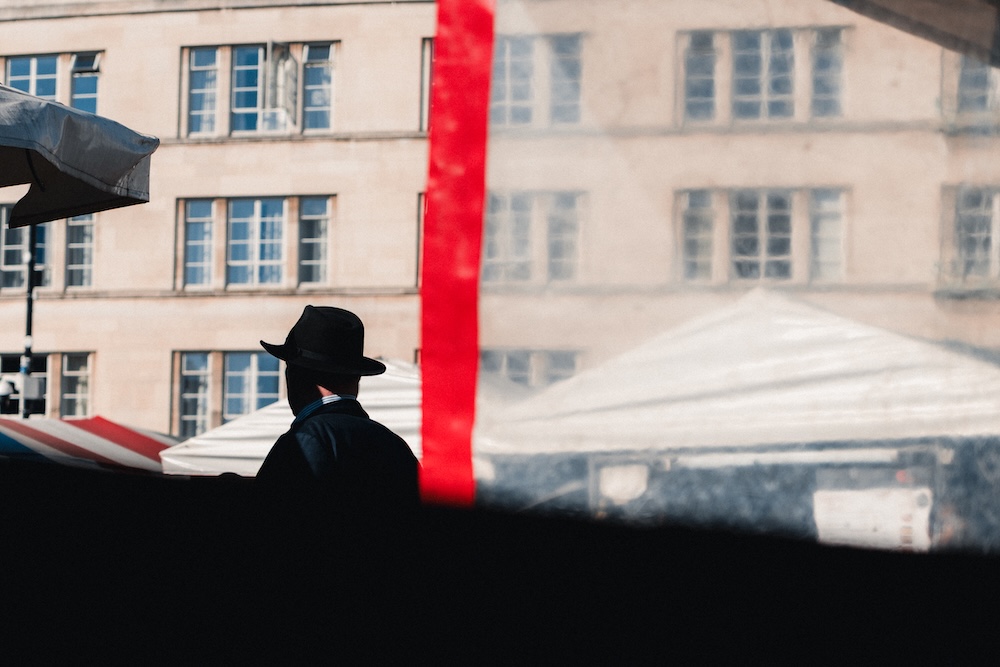
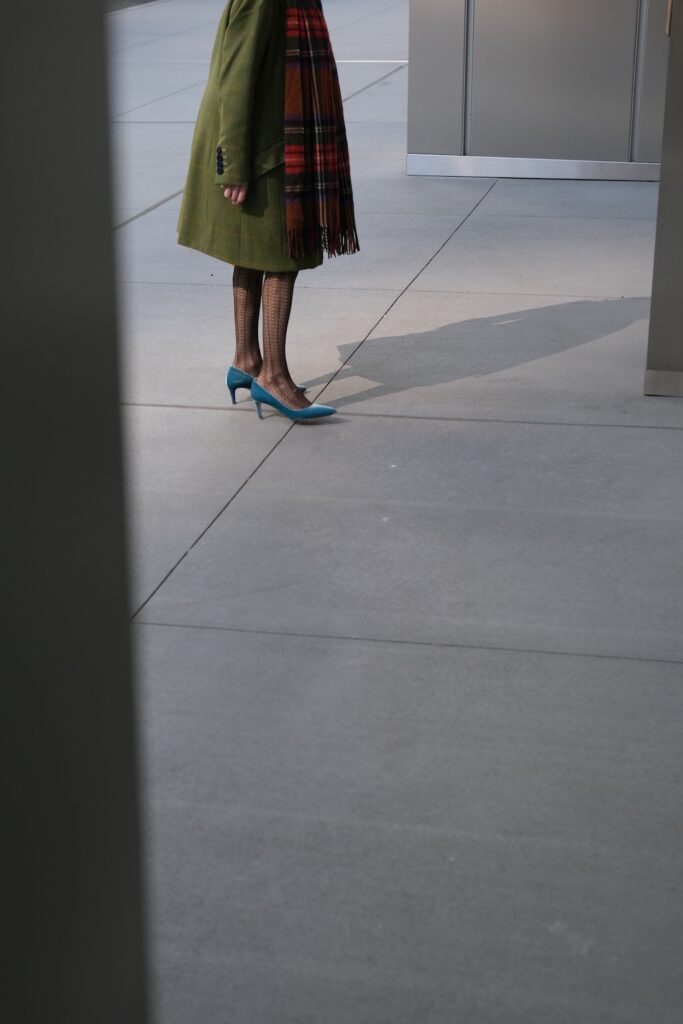
It’s clearly built by people who actually understand imagery, not just people who understand stock photo SEO. Every shot is properly photographed. Grading, composition, lighting — it’s all considered by humans rather than pulled from an endless, undifferentiated feed. And it’s curated in a way that keeps you on task.
You go in looking for a reference, and you come out with a reference, rather than losing twenty minutes down a rabbit hole of “related content” that has nothing to do with the search.
RELATED READS: Kirsten Holland on How to Elevate Brand Stories Through Thoughtful and Impactful UX
The practical side matters, too. Sharing a curated board with a client feels professional, and it’s something clients comment on almost every time. It reads as considered, not thrown together. The filtering and sorting also feel close to the tools we already use day-to-day.
The thing that sets it (further) apart is that when you need a hand, you get a real person, someone with actual arms and legs, not a chatbot or a support ticket disappearing into a queue. In an industry full of platforms trying to automate the human out of the process, that’s worth more than it sounds.
Ironically, it’s refreshingly free of ads and clickbait. No pop-ups, no upsells fighting for your attention — just the work.
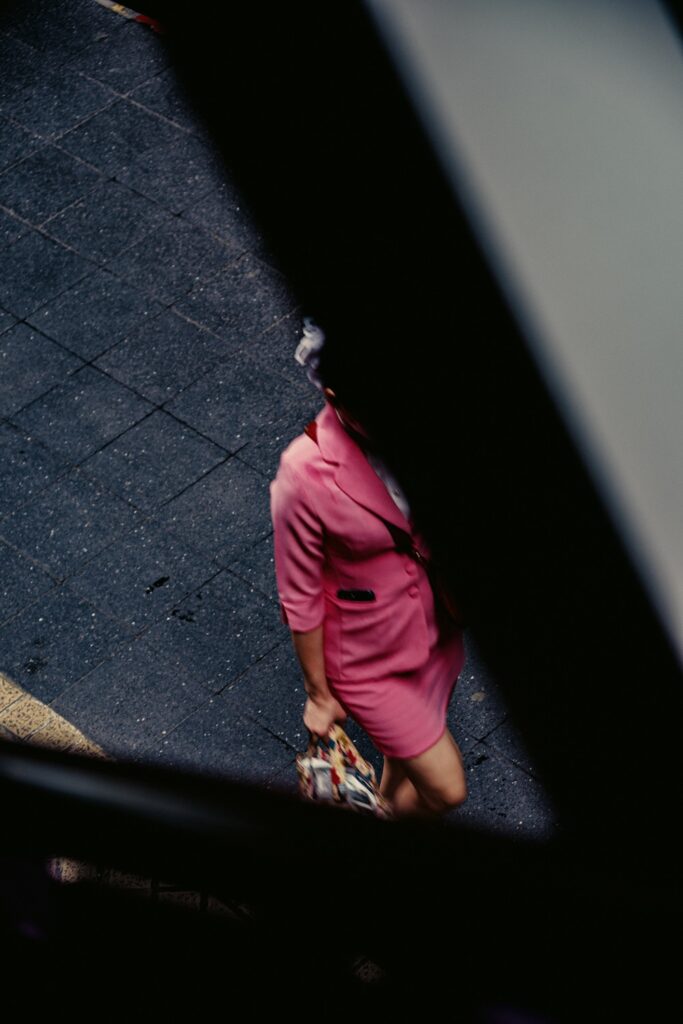
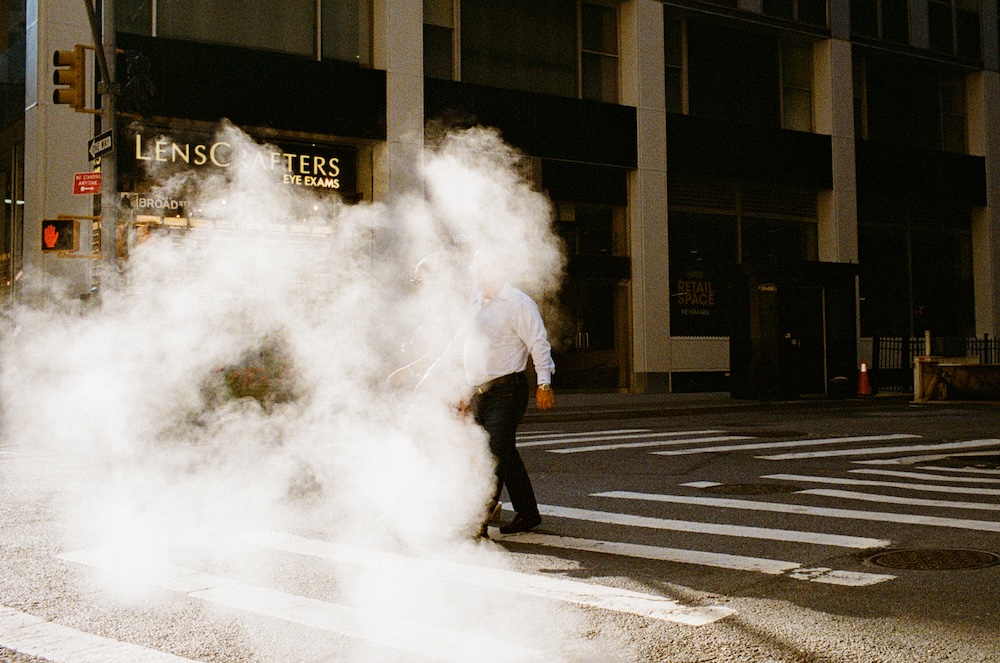
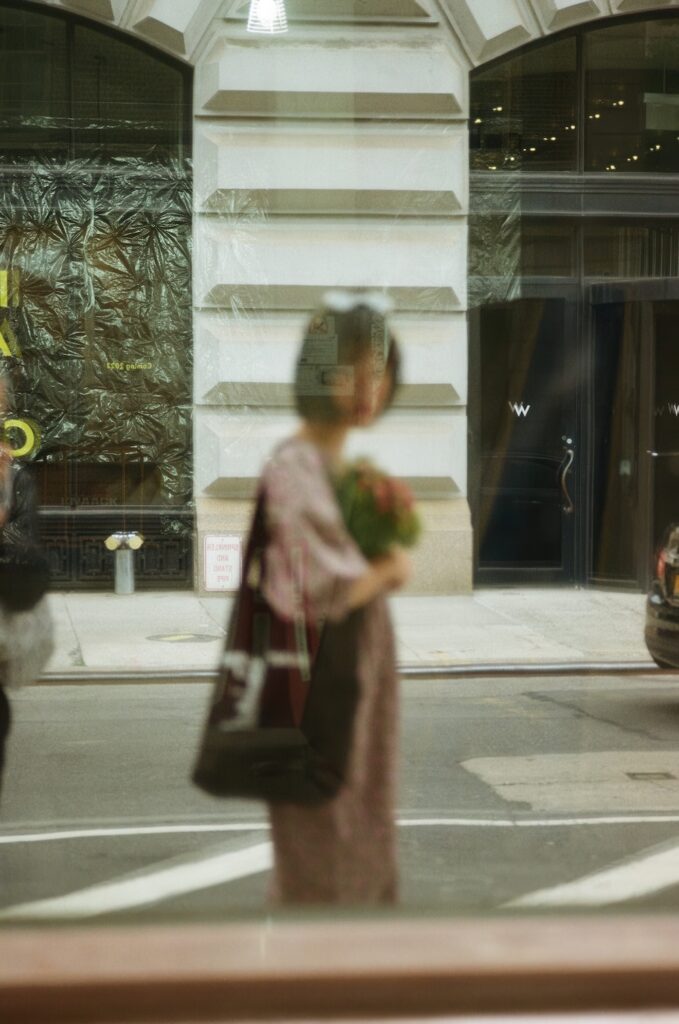
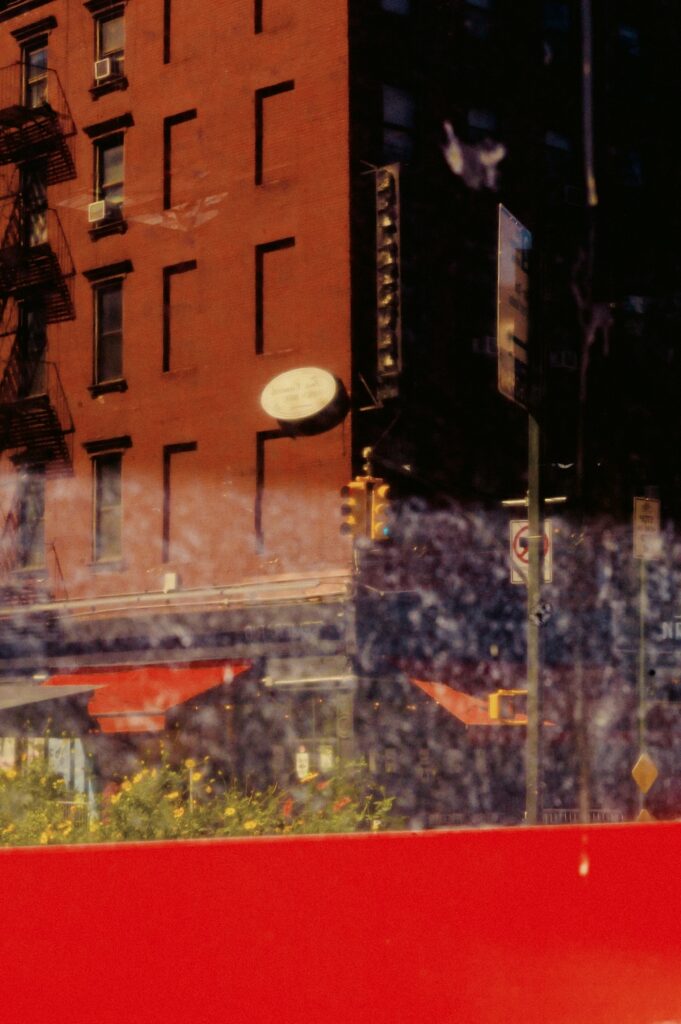
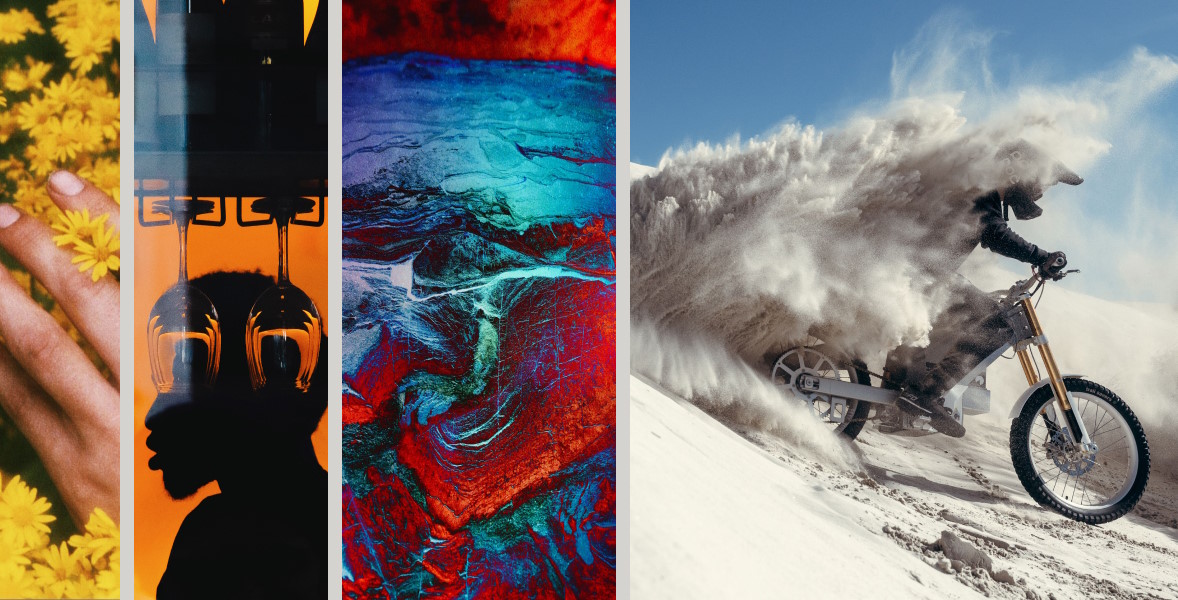
Stills Selections from Jay Woods