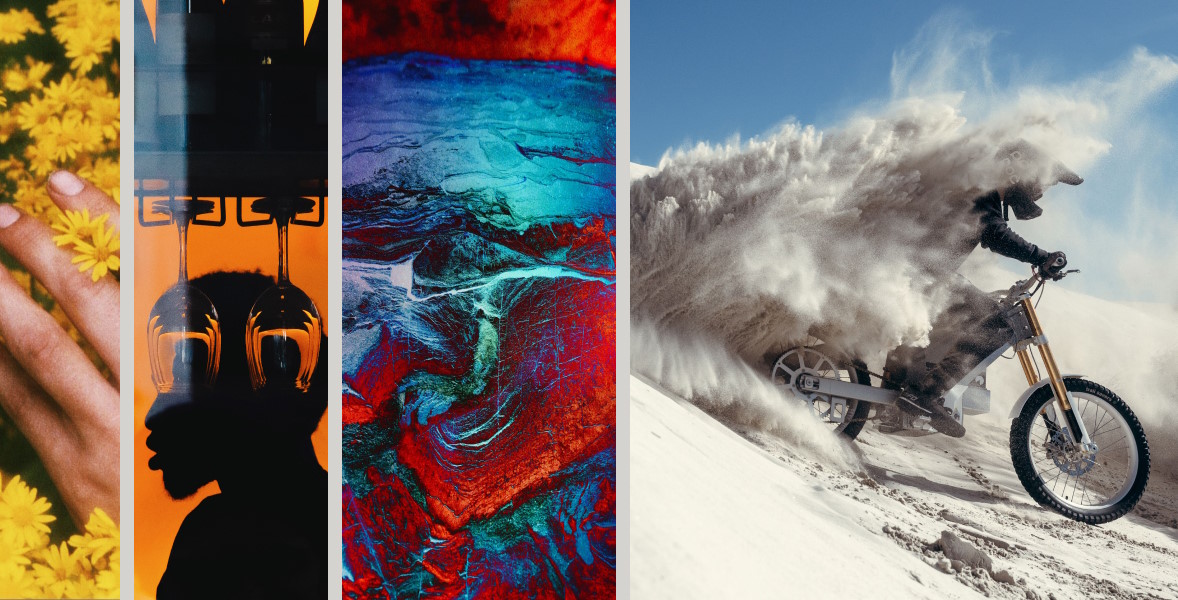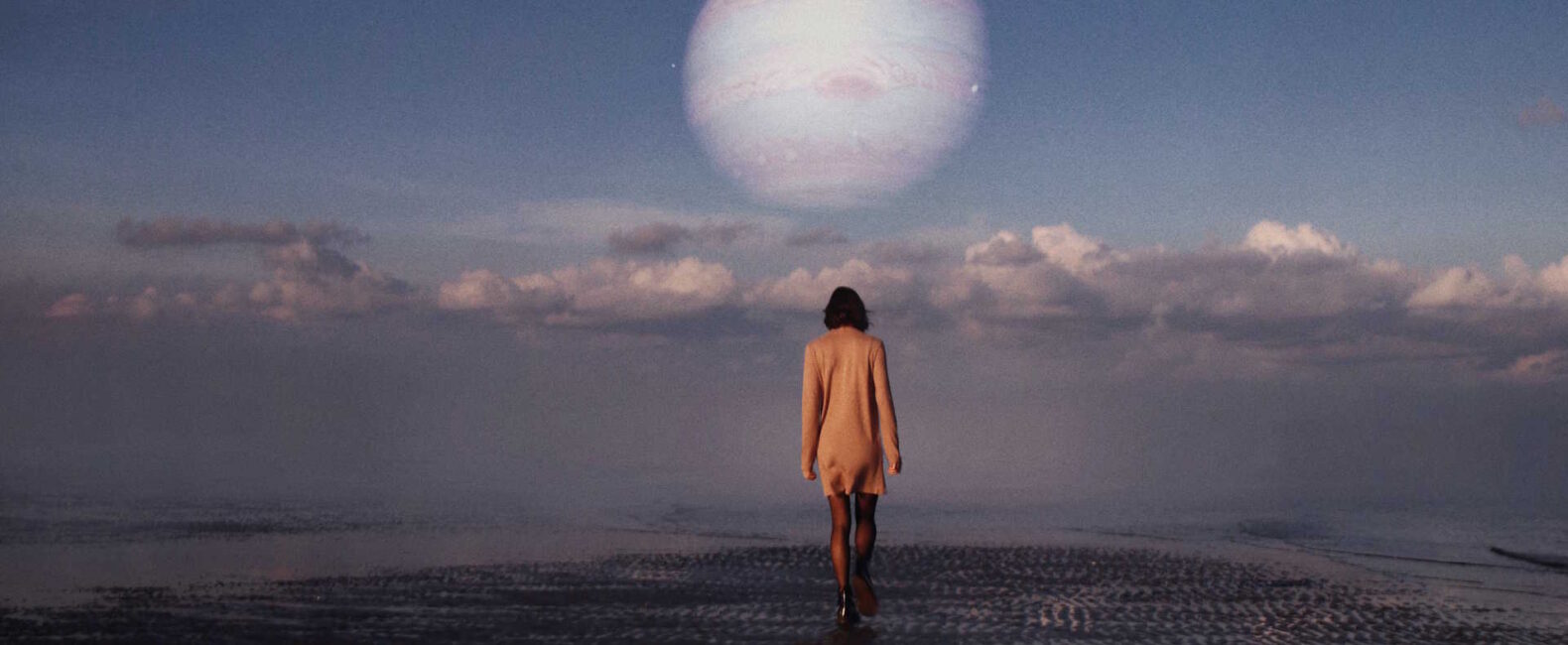
A year ago, Stills’ trend report told designers to put the camera down and just shoot what was actually happening in front of them: candid photos, real moments, nothing staged. Fast forward to 2026, and the same report series has designers reaching for chrome textures, spiked typography, and gargoyle illustrations. You may think it’s an interesting switch twelve months apart, until you look at why each trend showed up in the first place.
Stills has now published two trend reports back to back: the 2025 Photography in Design Trend Report and the 2026 Design Trend Report. Read on their own, each one is a useful snapshot of where the industry’s head is at. Read together, they’re something more valuable: a two-year record of how one change in what audiences want actually plays out in practice.
The 2025 report predicted the reason design would change. The 2026 report reveals the shape that change took, and it’s a shape almost nobody could have sketched out in advance.
That gap between reason and shape is exactly what makes this worth mapping out, especially if you’re the one deciding what a brand looks like a year from now.
The Trajectory at a Glance
Line up every trend from both reports side by side and a pattern shows up fast. Some 2026 trends are a direct continuation of something 2025 had already named and given a name to. A few carry the same instinct in a looser way (evolved rather than repeated.) And a handful of 2026’s biggest trends showed up with no warning at all.
| 2025 Trend | 2026 Successor | Connecting Thread | Verdict |
|---|---|---|---|
| Candid Photos | Grunge | Unstaged, real moments pushed into a full aesthetic of imperfection | Direct lineage |
| “Flash On” | Direct Flash | Raw, high-energy lighting matures into a real campaign strategy | Direct lineage |
| Cut and Glue | Scrapbook/Scanner | Physically assembling and rescanning printed materials | Direct lineage |
| JPEG Artifacting + Collage | Skate/Surf Shop | Visible imperfection as proof a real person made this | Loose continuation |
| Half-Finished | Scribbles | Hand-drawn marks and imperfect lines over digital work | Loose continuation |
| Abstract/Textural | Sensory Storytelling | Texture used as an emotional, tactile cue | Loose continuation |
| Serifs Are King | Future Medieval | Typography as a rejection of “overly digital” design | Clean break |
| — | Maximalism | No predecessor | New arrival |
| — | Distorted Wide Angle | No predecessor | New arrival |
| — | Cyber Goth | No predecessor | New arrival |
| — | Surrealism | No predecessor | New arrival |
| — | Americana | No predecessor | New arrival |
| — | Index/Catalog | No predecessor | New arrival |
Seven of 2026’s thirteen trends trace back to something in the 2025 report. Six showed up as new trends. That second number is the more interesting one, and it’s worth coming back to.
Raw Over Polished
Two of these connections are about as close to a straight line as trend forecasting gets.
Start with 2025’s Candid Photos trend, which argued that audiences were tired of hyper-polished 2010s photography and wanted something rougher and more relatable. Content creator Victoria Stefania told Stills at the time that people wanted “more of the rough, the real, and the approachable.” A year later, that instinct doesn’t just survive into 2026, it gets pushed to an extreme in the Grunge trend.
This year’s report makes the case plainly: polished, perfected campaigns are getting cheaper to produce and easier to ignore, while imperfection has become one of the clearest signals of real humanity left in a feed. It’s the same idea Stefania named in 2025, just given full permission to get messy a year later.
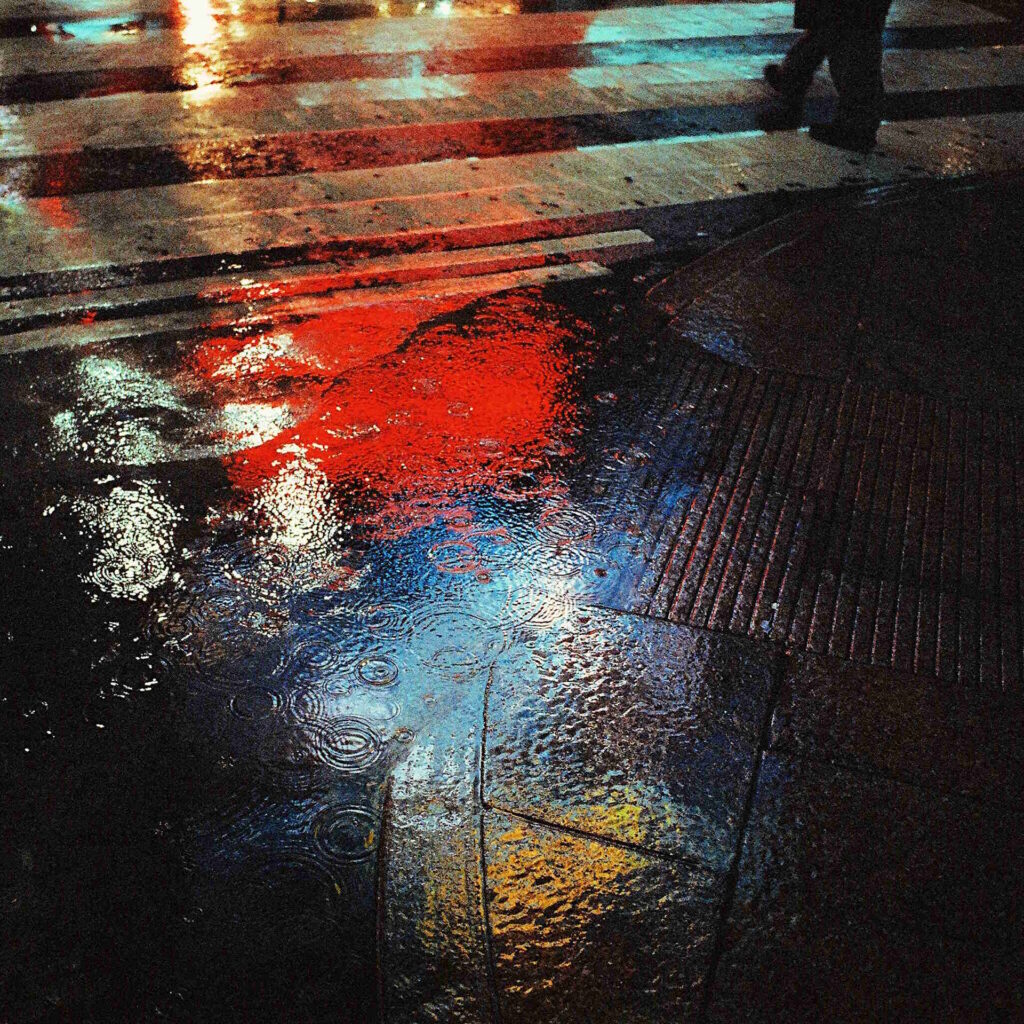
The cleanest lineage in the whole comparison is “Flash On” becoming Direct Flash. In 2025, high-key flash photography was framed as a nostalgic nod to Y2K style, something fun and a little novel. Stefania was already predicting where it would go, saying “we’re going to see more flash photography that displays the real and raw.”
By 2026, that prediction had graduated into a full campaign strategy with a named brand behind it. We pointed to BANDIT as a brand that has built real identity around direct flash imagery, using it to bring grit and credibility to its campaigns. Creative director Joe Diver put it simply in this year’s report: “Direct flash feels unapologetic, raw, and human.”
Diver provided his view in both reports talking about the same underlying idea a year apart. In 2025, discussing JPEG Artifacting, he described “a significant shift from digital to ‘IRL’ culture, where people are increasingly rejecting hyper-modernity and embracing a sense of grounded tradition.”
This year, talking about Grunge, his line is shorter and more confident: “imperfection can be intentional.” Watching a creative director’s own read on the industry get proven right within twelve months is a pretty good sign the underlying force was real!
From Cut and Glue to Scrapbook
The second strong connection has nothing to do with lighting and everything to do with getting your hands dirty.
2025’s bonus design trend, Cut and Glue, described a very specific process: designers printing digital assets, physically cutting and reassembling them, then scanning the results back into their file. Brighton-based designer Dan George Hill called it a move toward “more tactile projects,” adding that it “brings such a unique contrast to our increasingly digital world.”
A year later, that same instinct matures into its own fully developed trend in the 2026 report: Scrapbook/Scanner. If 2025 was designers discovering what it felt like to design with their hands again, 2026 is them owning it outright. The report describes the process in almost identical terms, right down to dragging images across the scanner bed mid-scan to create motion blur and layered texture nobody could plan for in advance.
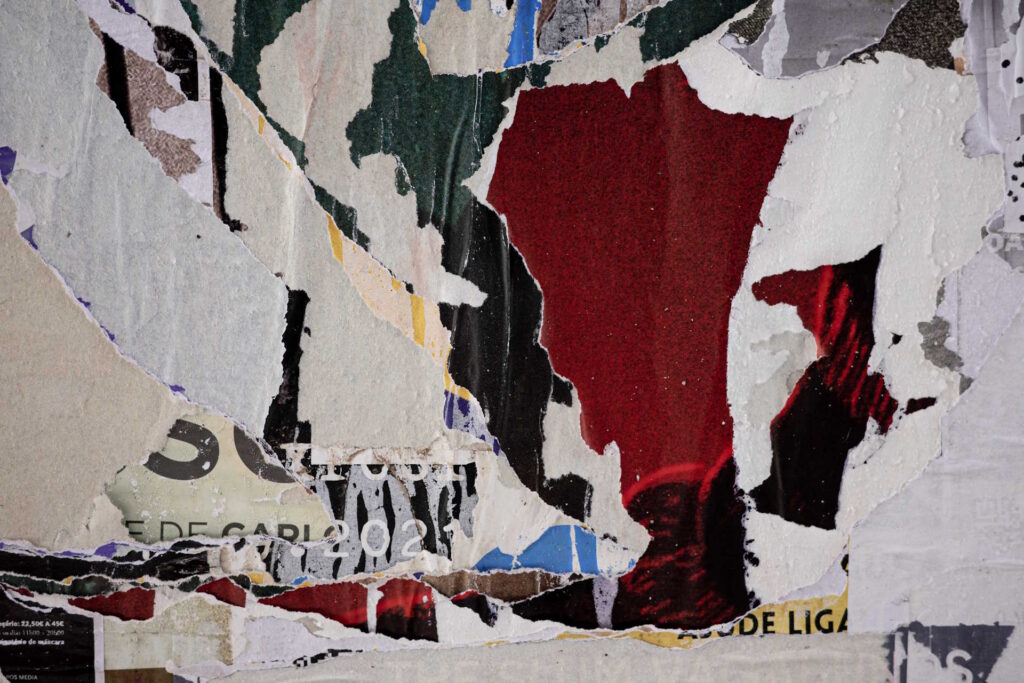
JPEG Artifacting and Collage, 2025’s other two hands-on trends, feed into 2026’s Grunge and Skate/Surf Shop in a looser but still traceable way. All four trends share the same core idea: visible evidence that a real person touched the work. In 2025, that evidence showed up as digital compression artifacts and cut-paper edges. By 2026, it had grown into full aesthetic systems built around halftone textures, tape marks, torn edges, and grain that’s deliberately, unapologetically messy.
Even Half-Finished, 2025’s smallest bonus trend about hand-drawn, unpolished identity work, has an obvious successor in 2026’s Scribbles trend, which goes a step further and insists creatives paint and draw over images by hand rather than faking the texture digitally. The instruction, almost word for word across both reports, hasn’t changed: don’t perfect it, just make it real.
What Happened to “Serifs Are King”?
One 2025 trend didn’t make it into 2026 in any recognizable form, and figuring out why is the most useful exercise in this whole comparison.
2025’s “Serifs Are King” made a case for quiet sophistication. UK-based designer Robert McCombe described serif typography as a way to create “a fusion of pre-tech and modern design, digital and physical, leaving a more lasting impression.” It was a restrained argument: bring back heritage and craft, but keep the volume down. Agencies like &Walsh leaned into it with type foundries built around specific moods and feelings, quiet rather than loud.
2026 doesn’t take that argument and simply turn the volume up. It replaces the argument entirely with something built on a completely different emotional register. Future Medieval pulls in blackletter type, gargoyles, griffins, and heraldic ornamentation, borrowing cultural reference points from Saltburn, from Liquid Death’s branding, and even from Teenage Engineering’s medieval-themed synthesizer. Cyber Goth is cut from the same typographic cloth, trading gothic ornament for angular, heavily layered display type, but the instinct underneath is identical: let the typeface carry the personality instead of playing backup to the imagery.
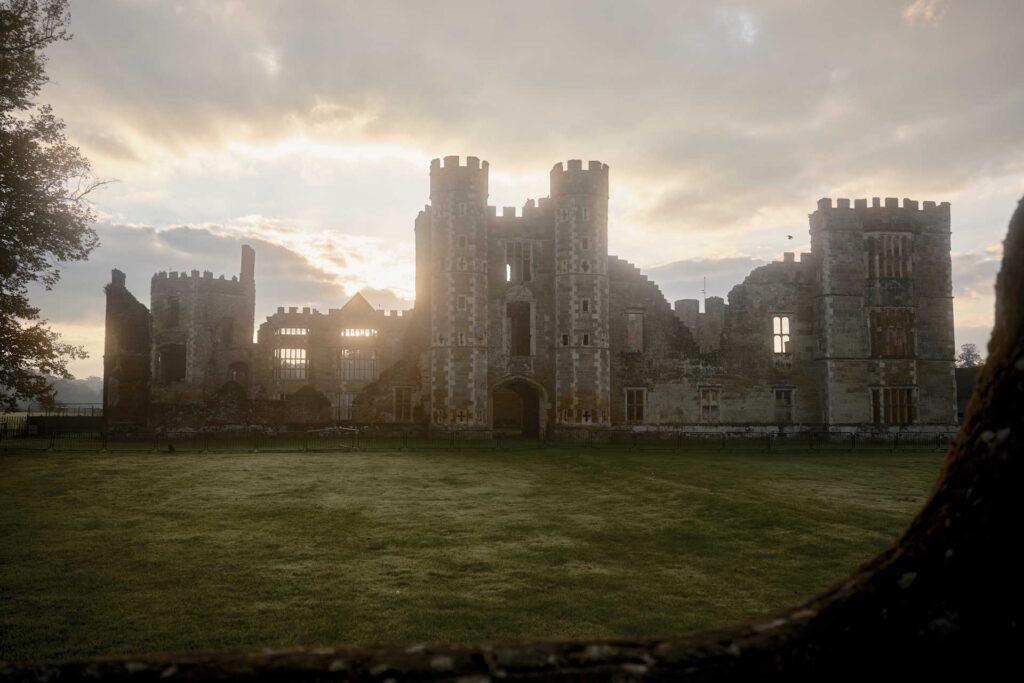
Call it a different idea altogether about what typography is supposed to communicate. Where 2025’s serifs were about heritage and restraint, 2026’s blackletter is about symbolism, myth, and drama.
The takeaway for anyone planning ahead is worth sitting with. Restraint didn’t graduate into something bolder over the course of a year. It stopped being the answer, and something with a completely different personality took its place. That’s genuinely good information to have before you commit a full brand refresh to what looks, on the surface, like the safe, quiet evolution of last year’s typography trend.
What 2025 Didn’t See Coming
Six of 2026’s biggest trends showed up with nothing in the 2025 report pointing the way. Honestly, that’s the best part of the whole comparison.
Maximalism, Distorted Wide Angle, Cyber Goth, Surrealism, Americana, and Index/Catalog all show up in 2026. The 2025 report got the underlying force right: audiences were exhausted by polish and wanted something that felt human. What it didn’t call was how specific that reaction would get!
A general appetite for imperfection is one thing. Choosing to build a brand identity around goth subculture, medieval iconography, or the quiet resilience of the American West is a much more deliberate, much more pointed creative decision. Look at what each of these four trends actually asks a creative to commit to.
Maximalism asks brands to abandon restraint entirely and pack a layout with color, type, and detail until it borders on chaos. Americana asks for real cowboys, real ranches, and the kind of quiet stillness that only exists in places most creatives have never lived. Surrealism asks for a genuinely strange, art-directed concept rather than a literal product shot, and Index/Catalog asks for the discipline to arrange dozens of images into a single coherent system. Each one is a specific, fully formed point of view, well beyond a general mood board note to “make it feel more real.”
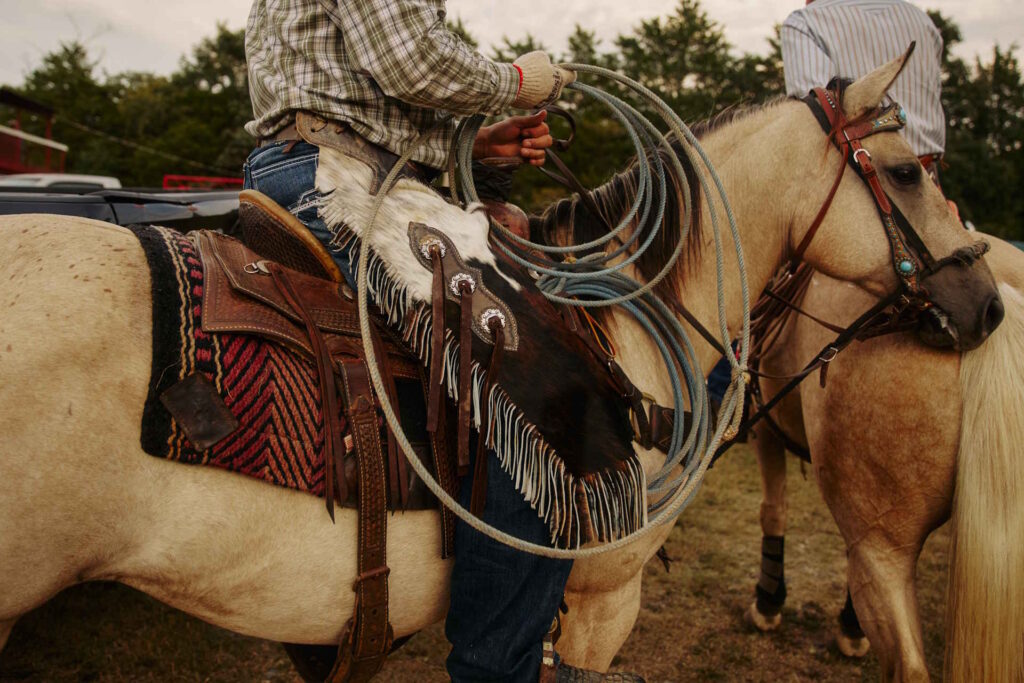
Our own Stills creative director Spencer Cogburn has talked about exactly this kind of specificity as the real differentiator this year, putting it bluntly: “if you’re making it for everyone, you’re making it for no one.” Broad, safe appeal doesn’t carry the weight it used to. Narrow, fully committed identity work is what’s actually landing with audiences right now.
It’s a reasonable read that a year of AI-generated imagery flooding every feed sharpened this instinct considerably. A prompt can get you a passable grainy film photo without much effort. But a prompt can’t easily get you a Cyber Goth brand system with the right subcultural details intact, or an Americana campaign shot with real cowboys on a real ranch that anyone with a genuine eye for the culture would recognize as legitimate. The more AI-generated content saturates a feed, the more valuable it becomes to reach for something that specific tools still can’t fake convincingly, and subculture happens to be one of the hardest things to fake.
That’s genuinely good news if you’re a creative right now. It means the trends with no obvious lineage aren’t noise in the data. They’re the sharpest signal in the whole report: proof that audiences are actively rewarding specificity over safety, and that creatives willing to commit to a real point of view have more room to stand out than they’ve had in years.
How to Actually Use This When You’re Planning 2027
Two years of our trend data point to a few practical habits worth building into how you plan the next twelve months.
Trust the reasoning behind a trend more than the aesthetic that first carries it. When a report explains why something is happening (audiences rejecting polish, wanting evidence of a human hand, craving specificity over broad appeal) that reasoning tends to outlast whatever look first delivers it. The reasoning tells you where things go next. The look is just this year’s version of that idea.
Treat trends with a multi-year lineage as your lower-risk bets. Direct Flash and Scrapbook/Scanner both have two straight years of evidence behind them now. If you’re staffing a campaign and need a directional choice you can defend to a client without much back-and-forth, that’s where to start.
Treat brand-new trends as your biggest differentiation opportunity instead of a gamble to talk yourself out of. Cyber Goth and Future Medieval had zero lineage a year ago, and they’re two of the trends creatives are most energized about right now. As art director Jason Murray puts it in this year’s report, “AI makes volume easy, but taste makes impact.” A trend with no predecessor is exactly where that taste gets to do the most work, because nobody else has figured out the playbook for it yet either.
Read next year’s report the same way you’d read this one. Look for what’s carrying forward, what’s getting replaced outright, and what shows up with no warning at all. That last category is consistently where the most interesting work happens.
The Real Takeaway
What is the final thought here? These two trend reports, twelve months apart, tell one continuous story. 2025 correctly called the mood: audiences were done with polish and wanted something real. 2026 revealed the exact shape that mood took, and it’s a shape almost nobody could have predicted in January 2025: chrome and spikes, gargoyles and blackletter type, scanner grain and cowboy boots. That gap between the mood and the shape is the most useful finding in either report, because it’s the pattern worth watching for again next year.
If this pattern holds, the safest bet for 2027 has less to do with picking the loudest trend in the room and more to do with staying close enough to the reasoning behind it, so you’re ready to move the moment the next specific, committed aesthetic shows up wearing it.
Explore the full 2026 Design Trend Report for every trend covered here in detail, and browse Stills’ curated photography catalog to start building whichever direction fits where your next project is headed.
Featured image by Elia Pellegrini